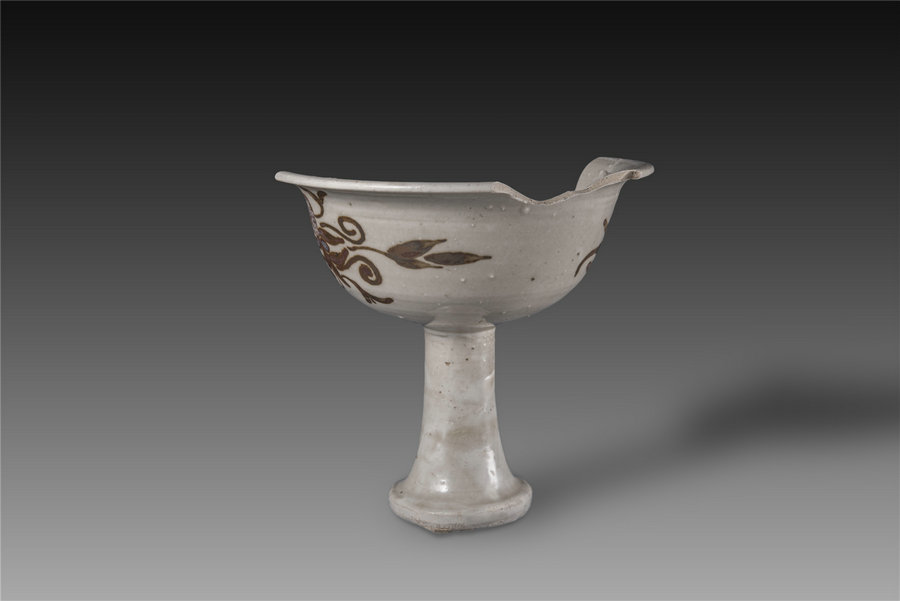
Chencun Ceramic Kiln Site
Introduction
The Chencun Ceramic Kiln Site, located in Huozhou, Shanxi province, is a significant archaeological site that covers the time span from the Song Dynasty (960-1279) to the Qing Dynasty (1644-1911). This site represents an important chapter in the history of ceramic production in China, known for its refined porcelain and the technical advancements made in kiln technology. The site was recognized as one of the top 10 archaeological discoveries in 2023, an honor that highlights its significance in the broader narrative of Chinese cultural and technological development.
Historical Background
Discovery and Excavation
The Chencun Ceramic Kiln Site gained renewed attention during archaeological efforts in recent years, culminating in its recognition as a top discovery in 2023. Archaeologists have focused on uncovering the legacy of the Huozhou kilns, traditionally known but less understood in contemporary times. These kilns were crucial in the evolution of ceramic technology and culture in northern China. Excavations have revealed a wealth of information about the production techniques and the types of ceramics produced, offering a window into the economic and cultural practices of past dynasties.
Historical Significance
The Chencun Ceramic Kiln Site is not just an archaeological treasure; it is a testament to the technological and artistic achievements of Chinese civilization across several dynasties. The site provides insight into the development of ceramic production from the Song to the Qing dynasties, reflecting shifts in techniques, materials, and aesthetic preferences. The kilns at Chencun reached their maturity during the Jin Dynasty (1115-1234) and peaked in the Yuan Dynasty (1271-1368), becoming a major center for producing refined white porcelain. This evolution underscores the site's importance in understanding the broader historical narrative of ceramic art and industry in China.
Kiln Technology
Types of Kilns
The Chencun Ceramic Kiln Site features various types of kilns that were used over the centuries. These kilns reflect the technological advancements made in ceramic production. Traditional kilns at the site evolved to meet the increasing demand for high-quality ceramics, particularly during the peak of the Yuan Dynasty. The types of kilns discovered include dragon kilns and mantou kilns, each with distinct structural features and firing techniques that contributed to the site's reputation for producing superior white porcelain.
Ceramic Production Techniques
The techniques used in ceramic production at the Chencun Kiln Site were highly advanced for their time. The artisans employed various methods to prepare the clay, form the ceramic pieces and apply glazes, ensuring high-quality and aesthetically pleasing results. The firing process in the kilns was a meticulous operation, requiring precise control of temperature and atmosphere to achieve the desired finish. The technical knowledge reflected in these techniques highlights the sophistication of ceramic production at Chencun and its contribution to the broader tradition of Chinese ceramics.
Artifacts and Findings
Classification of Artifacts
The artifacts unearthed at the Chencun Ceramic Kiln Site are diverse and provide a rich source of information about the types of ceramics produced and their uses. The classification of these artifacts includes various forms of porcelain, such as bowls, plates, vases, and other ornamental items. Each category of artifacts reflects different aspects of daily life, trade and cultural practices across several dynasties. The diversity of forms and styles found at the site is indicative of the dynamic nature of ceramic production at Chencun.
Notable Discoveries
Among the notable discoveries at the Chencun Kiln Site are several exquisite pieces of white porcelain, which were highly prized for their craftsmanship and aesthetic value. These artifacts demonstrate the advanced techniques used by artisans at the time and underscore the site's role in the development of ceramic art. The discovery of kiln structures and related tools further enriches the understanding of the production processes and economic significance of the Chencun kilns in historical contexts.
Preservation and Conservation
Efforts to preserve and conserve the Chencun Ceramic Kiln Site have been integral to ensuring its continued study and appreciation. Preservation initiatives focus on protecting the structural integrity of the kilns and safeguarding the artifacts discovered during excavations. Conservation strategies aim to maintain the site as a valuable historical and educational resource, offering insights into ancient ceramic techniques and cultural practices. These efforts are crucial for the ongoing interpretation and dissemination of knowledge regarding this significant archaeological site.








